Christmas is often associated with family, celebrations and spending time together. For some older people, however, the festive period can make feelings of loneliness more noticeable.
An older person may be living alone, have lost a partner or close friends, or find it increasingly difficult to leave the house because of mobility or health changes. Christmas can also bring back memories of previous celebrations and people who are no longer around.
For families, it can be difficult to know how best to support an elderly loved one who seems increasingly isolated. While regular visits and contact with family can help, some older people may benefit from having more consistent companionship and support throughout the year.
For some families, a care home can provide this. Alongside residential, nursing or dementia care, care homes offer opportunities to spend time with other people, take part in activities and build relationships with staff and fellow residents. Respite care can also provide short-term companionship and support over Christmas or at other times of the year.
Why Can Older People Feel Lonely at Christmas?
There can be practical reasons why an older person becomes more isolated over the festive period. Community groups may have reduced opening hours, friends and neighbours may be busy with their own families, and cold weather or shorter days can make getting out more difficult.
Bereavement can also make Christmas particularly difficult. Familiar traditions may remind someone of a partner, friends or family members who are no longer there to share them.
For someone who already has limited opportunities to socialise, these changes can make loneliness more noticeable. This can sometimes prompt families to think about whether their loved one needs more support than they can provide through occasional visits alone.
How Can You Tell If an Older Person Is Lonely?
There is no single sign that means an older person is experiencing loneliness. However, changes in their usual behaviour may suggest that they would benefit from more social contact.
They may become less interested in hobbies, stop attending activities they previously enjoyed, speak about being alone more often or have less contact with friends and family. They might also become reluctant to leave the house or lose confidence in social situations.
Loneliness can also be less obvious. Someone may have regular contact with family but still feel isolated if they have little opportunity for meaningful conversation or social interaction during the rest of the week.
These changes can have many causes, so they should not automatically be attributed to loneliness. A useful starting point is to talk to your loved one about how they are feeling and what they would like more support with.

Can a Care Home Help an Elderly Person Feel Less Lonely?
One of the ways a care home can help with loneliness is by providing regular opportunities for companionship as part of everyday life.
Social contact does not always mean taking part in a large organised activity. It can be as simple as having a conversation over breakfast, sharing a meal with other residents, sitting together in a communal lounge or speaking with a member of the care team.
Residents can also develop friendships and take part in activities based around their interests. This means there are opportunities to spend time with other people throughout the day, rather than relying solely on family members being available to visit.
Activities in a care home also provide personalised opportunities to connect with others. Depending on their interests and abilities, residents may enjoy arts and crafts, music, quizzes, baking, gardening, films, games or outings into the local community. Some people will enjoy group activities, while others may prefer one-to-one activities or quieter hobbies.
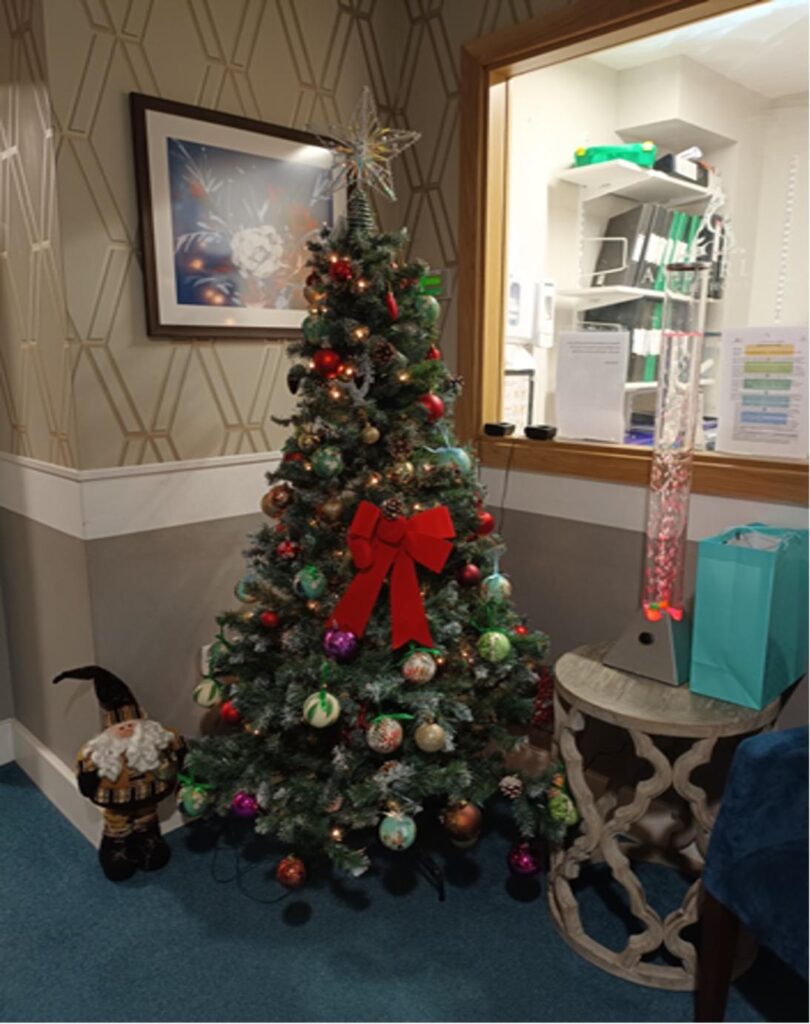
Christmas can create additional opportunities to spend time together. Residents might decorate communal areas, make Christmas cards, prepare festive food, listen to favourite Christmas music or share memories of past celebrations.
Can Care Home Life Reduce Loneliness Throughout the Year?
A care home can provide more consistent opportunities for social interaction alongside assistance with everyday life. Residents can share meals, take part in activities, spend time in communal areas and develop relationships with people around them.
This can be particularly important for someone whose mobility or health makes it difficult to socialise independently. They do not have to arrange transport, leave the house or wait for someone to be available before they can spend time with others.
This can change the way family visits feel too. Instead of relatives needing to spend their time managing practical tasks, they can focus on talking, sharing activities and enjoying time together.
For families considering a care home in Manchester, it can therefore be useful to think beyond Christmas and consider what would help their loved one feel supported and connected throughout the year.
What If an Older Person Needs More Than Companionship?
Loneliness can sometimes occur alongside changes in an older person's care needs. Someone who is spending more time alone may also be struggling with household tasks, personal care, mobility, medication or managing their health independently.
Residential care can provide support with everyday activities and personal care, while also giving residents regular opportunities for companionship and social interaction.
Nursing care can support people with more complex health needs or higher levels of dependency, providing access to trained nursing staff alongside the social benefits of care home life.
Dementia care is designed around the needs of people living with dementia. Alongside support with daily life, a suitable care environment can provide familiar routines, meaningful activities and opportunities for social interaction in a way that takes the individual's abilities and preferences into account.
Respite care provides short-term support. This can be useful over Christmas if a family carer needs a break, if an older person would benefit from additional support while recovering from illness, or if a family wants to explore care home life before making a longer-term decision.
This means a care home is not only an option for someone who is lonely. It can provide a combination of companionship, practical assistance and specialist care when an older person's circumstances change.
Care and Companionship at Amberley Care Home in Manchester
For families looking for a care home in Manchester, finding somewhere that provides companionship alongside the right level of care can make an important difference to an older person's everyday life.
Amberley Care Home in Sale provides residential, nursing, dementia, respite and palliative care, allowing support to be adapted around different needs. The experienced care team provides person-centred support around the clock, with personalised care plans based around each resident's health, preferences and routines.
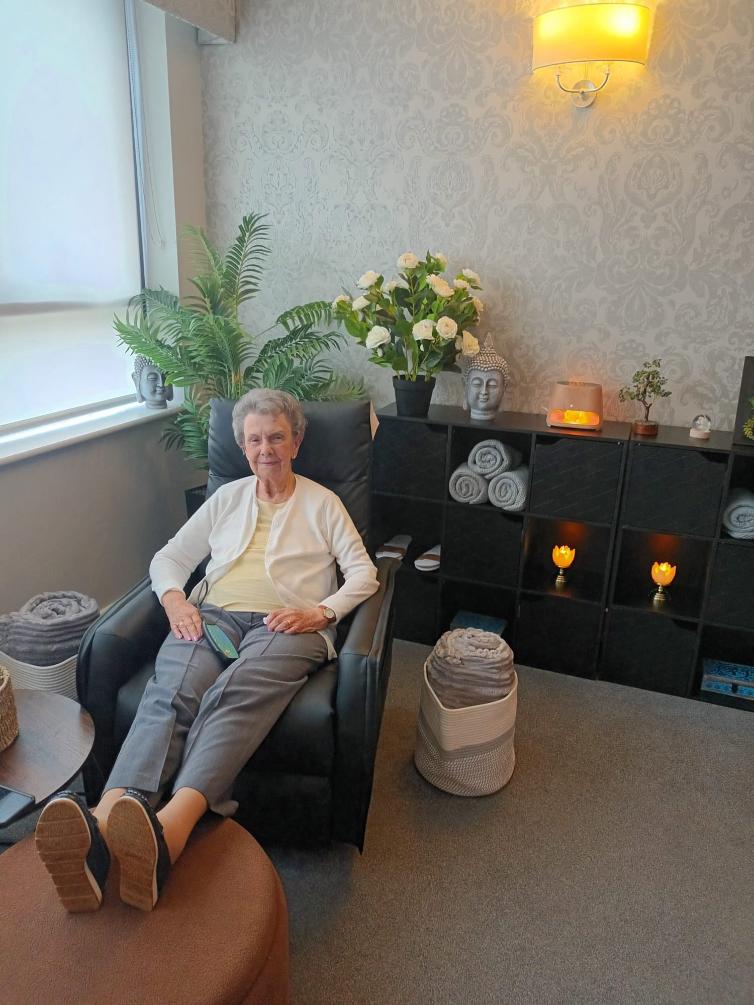
The home provides a range of spaces where residents can spend time with others or enjoy quieter moments. Facilities include en-suite bedrooms, dining areas, private secure gardens, a hair and beauty salon and a cinema room, alongside a varied activities programme.
Reducing Loneliness at Amberley Care Home
At Amberley, companionship is part of everyday care rather than something reserved for special occasions. The team takes time to understand each person's interests, abilities and preferences, helping residents continue hobbies and take part in activities that are meaningful to them.
Communal spaces and the home's activities programme provide regular opportunities to meet other residents, while the care team is available throughout the day and night for support and conversation. Residents can also be encouraged to maintain connections with their families and the wider local community where appropriate.
During Christmas, this can include festive activities, shared meals, familiar traditions and opportunities for families to visit. However, the value of care extends beyond the festive period. Residents can continue to have companionship, support and opportunities to socialise once Christmas has passed.
For families worried that an older loved one is becoming isolated, booking a visit to Amberley Care Home in Sale can help you understand what life in a care home could look like. You can meet the care team, explore the facilities and discuss your loved one's individual care needs before making any decisions.
Frequently Asked Questions
Can a care home help an elderly person who feels lonely?
A care home can provide regular opportunities for social contact through shared meals, activities, communal spaces and conversations with staff and other residents. This companionship is available throughout the year rather than only during Christmas.
Is Christmas a good time to move into a care home?
There is no single right time to move into a care home. Christmas may highlight loneliness or difficulties managing at home, but the decision should be based on an individual's needs, wishes and circumstances rather than the time of year.
How can I help an elderly relative who is lonely at Christmas?
Talk to them about what they would enjoy rather than assuming they want to attend large gatherings. Regular visits, shared meals, familiar activities and keeping in touch by phone can all help. If loneliness is becoming an ongoing concern, it may also be worth discussing whether they need additional support.