
Taking care of a loved one can be a significant responsibility that, over time, can put a great deal of mental and physical strain on carers. Respite care offers short-term assistance and enables carers to take a much-needed break while simultaneously guaranteeing that residents receive compassionate support tailored to their needs in a secure environment.
In this blog, we will explore choices for respite care as well as the process of planning a brief break for yourself or a loved one requiring additional support at a care home in Cheshire.
What is Respite Care?
Respite Care can offer a welcoming change of environment, where individuals can maintain their routines and receive support from a dedicated team of care professionals. Respite care may be required in a variety of situations, such as after a hospital stay, while recovering from an illness, if a carer needs a brief break, or as a trial period prior to choosing a full-time care home.
In a care home, respite care is usually provided for a few weeks to several months and is entirely customised to meet each resident's unique needs. Regardless of whether a person needs residential care, dementia care, or nursing care, many care homes accommodate different needs.
Different Types of Respite Care
There are various types of respite care to cater to different requirements and circumstances. One common type of respite care is emergency respite care, which is typically arranged due to unforeseen situations, such as family emergencies or carers becoming unwell or unable to support for different reasons.
For frequent breaks, such as holidays or regular rest periods, respite care can be arranged in advance. This gives the individual time to prepare and helps ensure a smooth transition into their temporary care arrangements. Respite care can also be provided in the individual's own home, with a carer visiting for a few hours, providing daytime support, or staying overnight. This option may be suitable for individuals who would prefer to remain in familiar surroundings while continuing to live as independently as possible. Respite care in a care home in Cheshire offers a brief stay in a purpose-built environment with round-the-clock assistance, activities, opportunities for socialisation and nutritious meals customised to each person's dietary requirements. All daily tasks will be handled by the care home, allowing residents to fully concentrate on their favourite hobbies and pastimes and be able to truly relax.
Depending on the level of support required, respite care can assist with personal care, medication, mobility, meals, or everyday tasks, as well as companionship and assistance with activities. Care can also be adapted as needs change, ensuring the individual receives the right balance of support while maintaining as much independence and choice as possible.
How Does Respite Care Work?
An assessment of the individual's needs is typically the first step when planning a respite care stay. This could be a needs assessment conducted by the local authority or council or by the care home team. These evaluations help care seekers know which type of respite services are suitable, as well as the possibility of council funding or other forms of assistance.
Following an assessment, care seekers will typically begin looking for a care home in their area. They will often go for in-person visits, where they can discuss the levels of care needed or how long they require respite care for. The home will be able to answer any questions and provide peace of mind as families navigate their next steps. They will take particular notice of residents' routines and interests, so the transition is as smooth as possible.
Benefits for Families and Residents
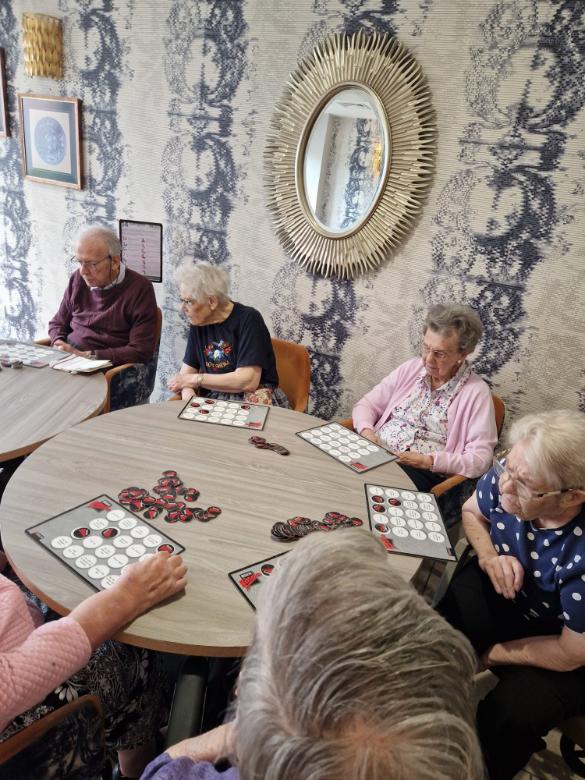
Both residents and care providers benefit significantly from respite care. Residents have the chance to receive high-quality assistance that is tailored to meet their specific needs at all hours of the day. Throughout their stay at a care home in Cheshire, residents are encouraged to form relationships with like-minded residents to reduce isolation and boost their mental well-being.
Respite care lessens the likelihood of burnout or exhaustion, which means carers can better take care of their own responsibilities. Having additional time without needing to worry about their loved ones' quality of life, carers can focus more on their needs or simply take the time to unwind.

Arranging a Respite Stay in a Care Home in Cheshire
When thinking about respite care, it's important to find out if specific homes provide emergency care or if they only accept placements that have already been made in advance, so you know whether you need to look elsewhere in the case of emergency support.
Many care homes that provide respite care will also provide long-term care options such as residential, nursing and dementia care, so bed availability is dependent on whether they have any free beds.
Paying for Respite Care
For many families, the expense of respite care is a major consideration. Respite care can occasionally be funded by local government assistance, but this usually depends on the results of a financial assessment. Those with lower incomes may also qualify for various types of assistance, and the availability of this assistance can be influenced by carers' allowance or other benefits.
It is advisable to ask about funding opportunities in advance with the care home team, as certain regulations may be applicable based on the individual's situation. Other care seekers will pay their fees privately to the care home. Before making a choice, a care home will always provide families with a detailed explanation of the fees.
Finding the Right Respite Care Home
It is important to properly consider your options while choosing the best possible respite care, especially when looking for a care home in Cheshire that can meet both practical and emotional needs. Start by taking in-person tours of care homes that may be suitable to enable you and your loved one to determine whether the environment is the best fit for the person requiring care. You can get an idea of what your loved one's stay would entail by observing how communal areas are maintained and the standard of how staff members engage with residents. By preparing questions for the care team, you can feel confident when taking the next steps in your care journey.
Supportive Short-Term Care at Amberley Care Home
At Amberley Care Home in Cheshire, we provide respite care alongside residential care, dementia care, nursing care and palliative care in a luxurious home-from-home setting. We are proud to provide exceptional support through our person-centred care plans that are updated regularly or if requirements change.
We deliver pre-planned and emergency respite care services for a minimum of three weeks. Residents are urged to take full advantage of our facilities during their stay and to simply carry on with their favourite activities and leave the rest to us.
To learn more about our outstanding care, please get in touch with our friendly team today. We would be happy to answer any questions or assist in providing you with a first-hand look at our home.