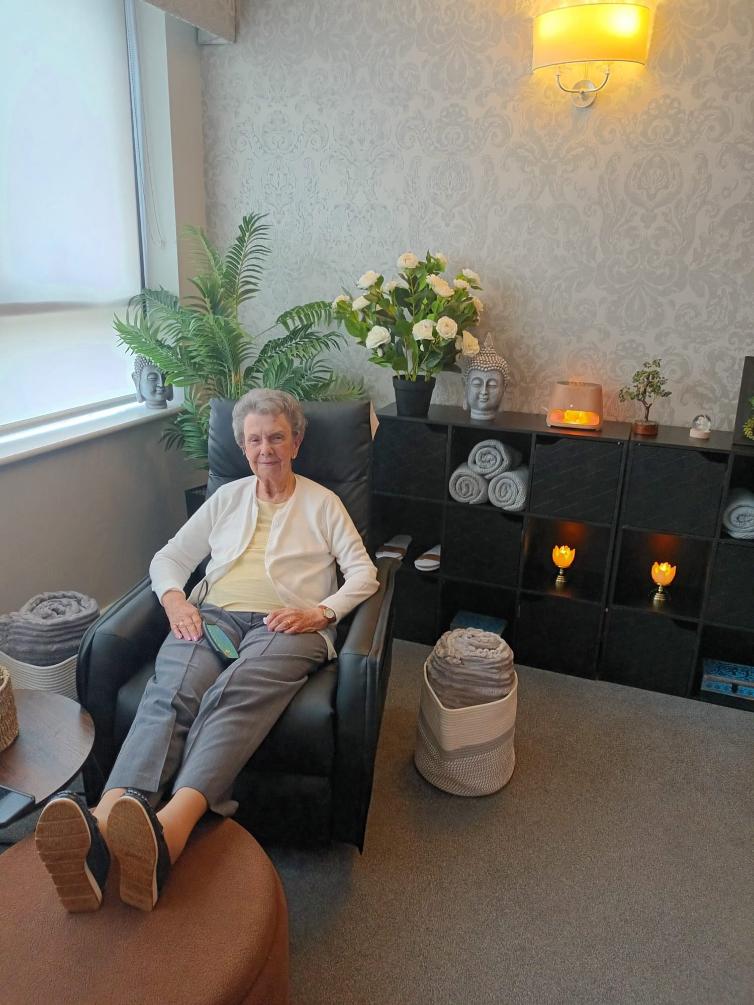
Moving into a care home is a significant change for an older person and their family. Even when you know that residential care is the right decision, it’s natural to have concerns about how your loved one will feel in their new surroundings.
A new room, different routines and meeting new people can take some getting used to. However, there are things families can do to make the transition easier and help their loved one begin to feel safe, confident and at home.
From bringing familiar belongings to maintaining regular contact, this guide explains how to help a loved one settle into a care home and what you can do to support them during the first few weeks.
How Much Time Does It Take to Adjust to a Care Home?
It is important to remember that feeling completely settled into a care home does not happen overnight. Your loved one may feel anxious, emotional or unsure about their new surroundings at first, particularly if they have lived in the same home for many years.
Try not to expect everything to feel familiar straight away. They are getting used to a new environment, new faces and a different daily routine, so give them time to find their feet.
It can also help to talk openly with the care team during this period. They will be getting to know your loved one too, so sharing information about their personality, routines, interests and preferences can help them provide more personalised support, and make their new home feel like home.
Make Their Room Feel Like Home
One of the simplest ways to help someone settle into a care home is to make their room feel familiar. Photographs, favourite books, ornaments, cushions and other personal belongings can bring reminders of home into their new surroundings. If there is space and it is appropriate for their needs, familiar furniture can also make the room feel more recognisable.
In many care homes, residents will be encouraged to personalise their bedrooms with belongings that are meaningful to them. Think about what makes your loved one's home feel like theirs. It could be photographs of family members, a favourite chair, treasured ornaments or simply the things they see every day. If your loved one is able to take part in preparing their room, involving them in these decisions can also help give them a sense of control over the move.

Help Them Become Familiar With Their New Routine
A new routine can take time to become familiar. Rather than expecting your loved one to join in with everything immediately, introduce them to daily life at the care home gradually.
Find out what their usual routine looks like and speak to staff about how some familiar habits can be maintained. This might include their preferred time for getting up, enjoying a cup of tea, reading the newspaper or going to bed. Having some consistency can make the new environment feel more predictable.
Residents will be able to choose how they spend their days, with opportunities to take part in activities, socialise with others or enjoy quieter spaces. In a person-centred care home, the aim is to support residents to continue doing the things they enjoy while providing assistance when they need it.
How Are New Residents Encouraged to Join In?
Meeting new people can be one of the more daunting parts of moving into a care home. Gently encouraging your loved one to take part in activities can give them opportunities to meet other residents and become more familiar with the people around them.
We understand that every resident has individual tastes, so there is no need to push them into joining every activity. Instead, look for things that match their existing interests.
Many homes will run a varied activities programme, including activities like arts and crafts, music therapy, gardening, quizzes, games, film nights, exercise sessions, live entertainment and more. One-to-one activities are for residents who prefer quieter activities or need more individual support. If there are private gardens, this can provide another way to spend time outside and socialise, with accessible paths, seating areas and opportunities for gardening.
Visit On a Routine Where Possible
Regular visits can reassure your loved one that moving into a care home does not mean losing their connection with family and friends, as well as giving you peace of mind about how they receive care at their new care home.
During the early stages, it can help to establish a visiting routine so your loved one knows when they are likely to see you. However, every person is different. Some may enjoy frequent visits, while others may need time to become comfortable with their new routine before having longer visits.
It can be helpful to make visits about spending time together rather than always asking whether they have settled in. You could share a meal, take a walk around the garden, watch a film together or simply sit and chat. The care team will encourage residents to spend meaningful time with their loved ones, including family gatherings and visits in its communal and private spaces.
Keep Communication Open with the Care Team
Families often know their loved one better than anyone else, and the information you share can help the care team understand what makes them most comfortable and happy.
Tell staff about important routines, hobbies, likes and dislikes, as well as anything that may cause your loved one concern. If they have a favourite meal, enjoy listening to particular music or prefer quiet mornings, these details can all help staff get to know them as an individual.
It is also important to raise any concerns rather than allowing them to build up. If something does not seem right, speak to a member of the care team or the manager. They may be able to explain what is happening to ease concerns, or make adjustments to help your loved one feel more comfortable.

What If Your Loved One Is Finding It Difficult to Settle?
Some people settle quickly, while others need considerably more time. If your loved one is struggling, try to understand what is making them uncomfortable first, so you can work with the care team to help with the transition. They may be missing a particular part of their old routine, finding the environment unfamiliar or feeling anxious about being away from home.
For someone living with dementia, familiar surroundings, belongings and routines can be particularly important. Look for a home with a dedicated dementia community designed around the needs of people living with dementia, including familiar and sensory-focused spaces.
The important thing is not to judge the settling-in process by a fixed timescale. Small signs, such as becoming familiar with a member of staff, joining an activity or talking about something they enjoyed, can show that your loved one is gradually becoming more comfortable.
Remember That You Are Settling In Too
It is easy to focus entirely on how your loved one is coping, but moving someone into a care home can be an emotional adjustment for the whole family.
You may experience relief that they are receiving the support they need alongside sadness, worry or guilt about the change. These feelings can exist at the same time, and it can take you a while to adjust to your new role as a family member rather than their main source of day-to-day care.
You are still an important part of your loved one's life. Visiting, sharing activities and keeping in contact with the care team can all help you remain involved.
Helping a Loved One Settle Into a Care Home in Manchester
Choosing a care home close to family can make it easier to remain involved after your loved one moves in. For families looking for a care home in Manchester, Amberley Care Home is located in Sale and provides trusted residential, nursing, dementia, respite and palliative care.
With comfortable en-suite bedrooms, secure gardens, communal spaces, an activities programme, a cinema room and hair and beauty salon, residents have plenty of opportunities to continue enjoying their interests and spending time with others.
Our person-centred care approach means our team works with residents and their families to understand individual needs, routines and preferences, helping each person feel comfortable in their new surroundings.
Frequently Asked Questions
How long does it take to settle into a care home?
There is no set amount of time it takes to settle into a care home. Some people become comfortable within a few days, while others may need several weeks or longer. It’s important to give your loved one time to adjust to their new surroundings and routine.
What if my loved one wants to go home?
Wanting to go home can be a natural response to being somewhere unfamiliar. Listen to their concerns and talk to the care team about what may be causing them distress. Staff may be able to identify changes to their routine or surroundings that could help them feel more settled.
How can I support a loved one with dementia when they move into a care home?
Familiar belongings, routines and activities can help someone with dementia adjust to a new environment. Share information about their history, interests, preferences and routines with the care team so they can provide support that reflects the individual.
Supporting Your Family at Amberley Care Home
Moving into a care home is a major change, but it can also be the beginning of a new routine where your loved one has the compassionate support, companionship and care they need.
At Amberley Care Home in Sale, Greater Manchester, we take the time to understand each resident as an individual and support them to continue enjoying the hobbies, routines and relationships that matter to them.
If you are considering care for a loved one, contact Amberley Care Home to arrange a tour and see how we can support you through the next step.